The Sultanate of Darfur
The Sultanate of Darfur is one of Africa’s oldest traditional institutions, with a history dating back to 1603. For more than five centuries, it has played an important role in governance, justice, trade, Islamic scholarship and the preservation of Darfur’s cultural identity.
Origins & Historical Legacy
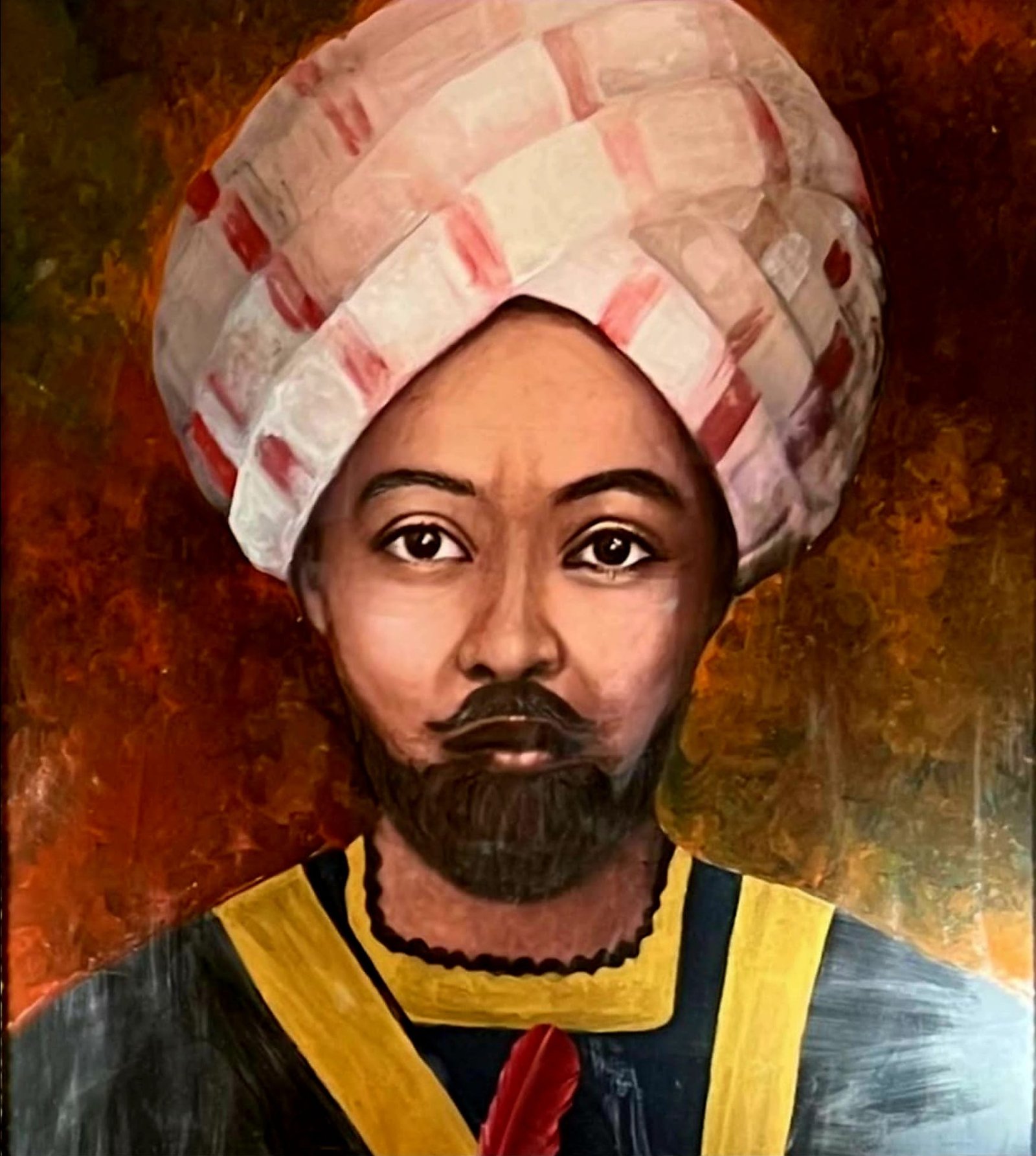
The institution emerged under Sultan Ahmed Al-Maaqqur and was later strengthened through the Keira Dynasty established by Sultan Suleiman Solong, whose leadership helped shape an enduring system of authority and public administration.
Throughout its history, the Sultanate provided more than political leadership. It supported systems of justice, encouraged regional trade, promoted Islamic learning and protected the traditions that continue to define Darfur’s cultural identity.
Its rulers were responsible for maintaining social order, organising civic life and representing the interests of the communities under their authority. These responsibilities made the Sultanate both a centre of governance and a custodian of values, heritage and public memory.
Sultan Ali Dinar remains one of the most respected figures in Sudanese history. He is remembered for strengthening the Sultanate, supporting Islamic scholarship, promoting public welfare and maintaining the annual provision of the Kiswah covering for the Holy Kaaba in Makkah until the end of his reign.
His name continues to carry historical, religious and cultural significance, and his legacy is preserved through institutions established in his honour.
Heritage & Continuity
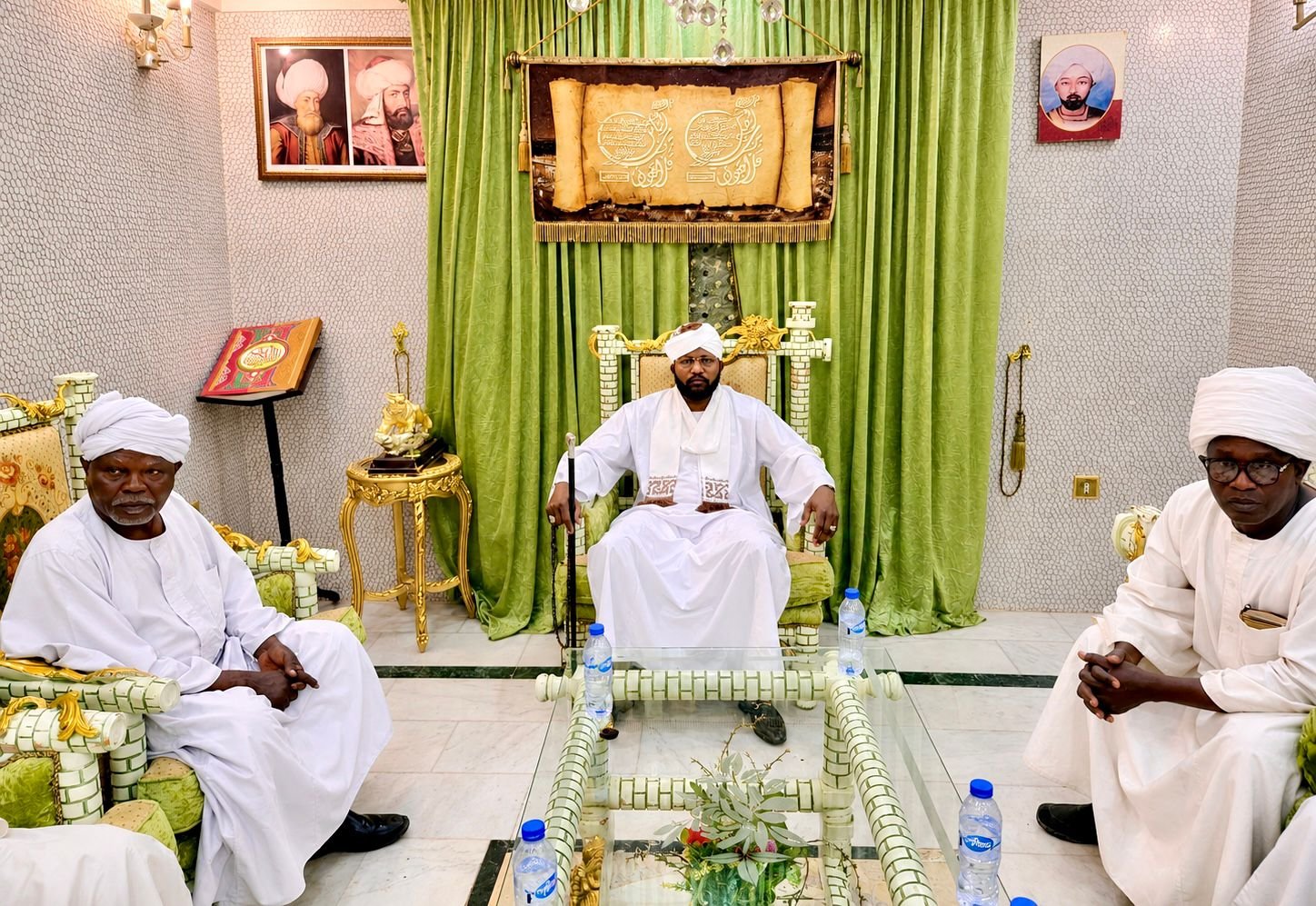
Heritage preservation remains central to the continuing work of the Sultanate. The Sultan Ali Dinar Museum, Palace, Islamic Complex and Endowments safeguard historical memory, support education and worship, and provide structures through which charitable and community programmes can continue.
Together, these institutions ensure that the Sultanate’s legacy remains visible, accessible and relevant to future generations.
The Sultanate of Darfur therefore represents more than a title or ceremonial tradition. It is a living institution of continuity, responsibility and service. Its enduring importance lies in its ability to protect the history and identity of Darfur while responding to the needs of the present.
Through leadership, institution building, heritage preservation and community engagement, it continues to connect the legacy of the past with a more peaceful, dignified and opportunity-filled future.
Peace, Community & Public Service
Under the leadership of H.H. Sultan Ahmed Ali Dinar, the institution supports dialogue and peaceful coexistence, including through engagement with the Juba Agreement for the Peace of Sudan and the Sultan Ahmed Dinar Initiative for Peaceful Coexistence and Community Peace.
These efforts recognise the role traditional leadership can play in rebuilding trust, strengthening relationships between communities and contributing to national reconciliation.
The Sultanate also maintains a strong commitment to public service. Programmes supported under its leadership include scholarships and student assistance, Ramadan food distribution, Eid Al-Adha livestock support, emergency relief, assistance to internally displaced Sudanese families and refugees from Darfur, Hajj sponsorship, support for Islamic schools and wider community welfare initiatives.
The Sultanate Today
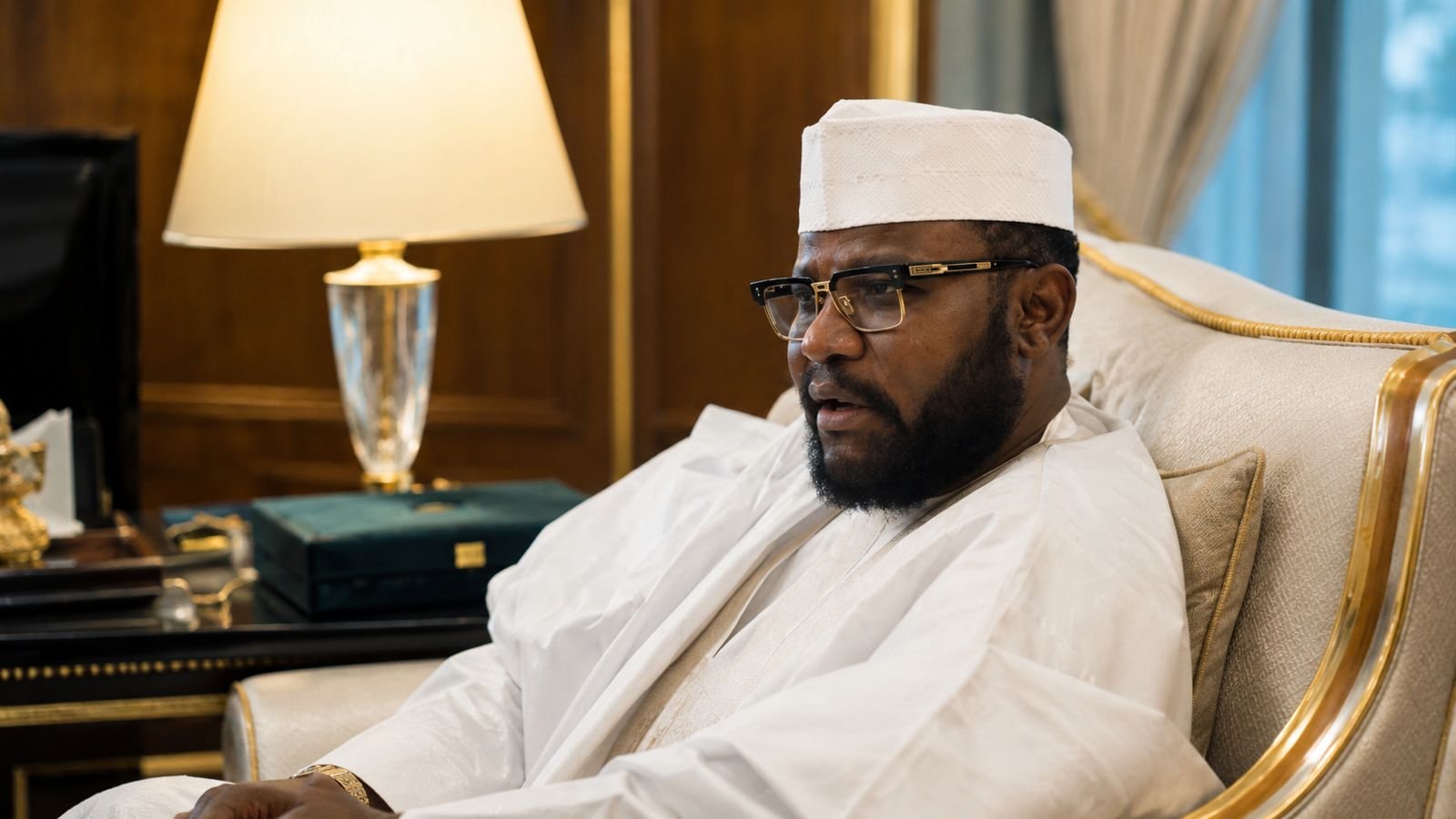
In 2016, following the consensus of the traditional leaders and civil administrations of Darfur, H.H. Sultan Ahmed Ali Dinar was installed as the 30th Sultan of Darfur, succeeding H.H. Sultan Ibrahim Youssef Ali Dinar.
His installation marked the continuation of a historic lineage while recognising the evolving responsibilities of traditional leadership within a contemporary national and international context.
Today, the Sultanate continues to serve as a symbol of unity, historical continuity and cultural identity for the people of Darfur.
The Sultan acts as custodian of the traditions, values and cultural heritage of the institution while also engaging with governments, traditional leaders, educational institutions, humanitarian organisations and development partners.
This approach connects the historical role of the Sultanate with current priorities in education, humanitarian assistance, peacebuilding, community development and heritage preservation.
Heritage Institutions
Institutions preserving the historical, religious and philanthropic legacy of the Sultanate of Darfur.
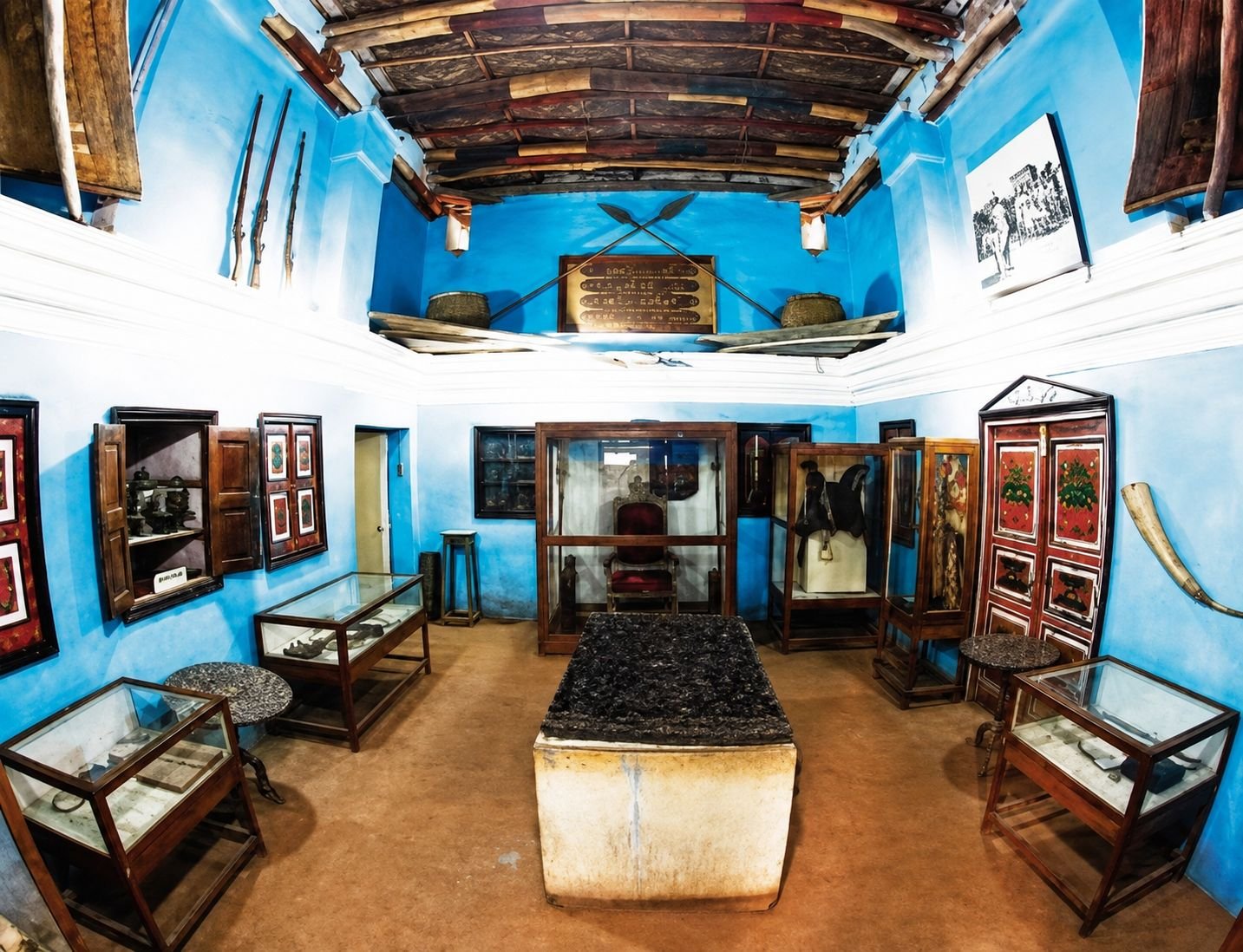
Sultan Ali Dinar Museum
The Sultan Ali Dinar Museum preserves artefacts, archives and collections documenting the history of the Darfur Sultanate. Through exhibitions, research and educational programmes, it safeguards an important part of Sudan’s cultural heritage while helping future generations understand the legacy of the Sultanate and its contribution to national history.
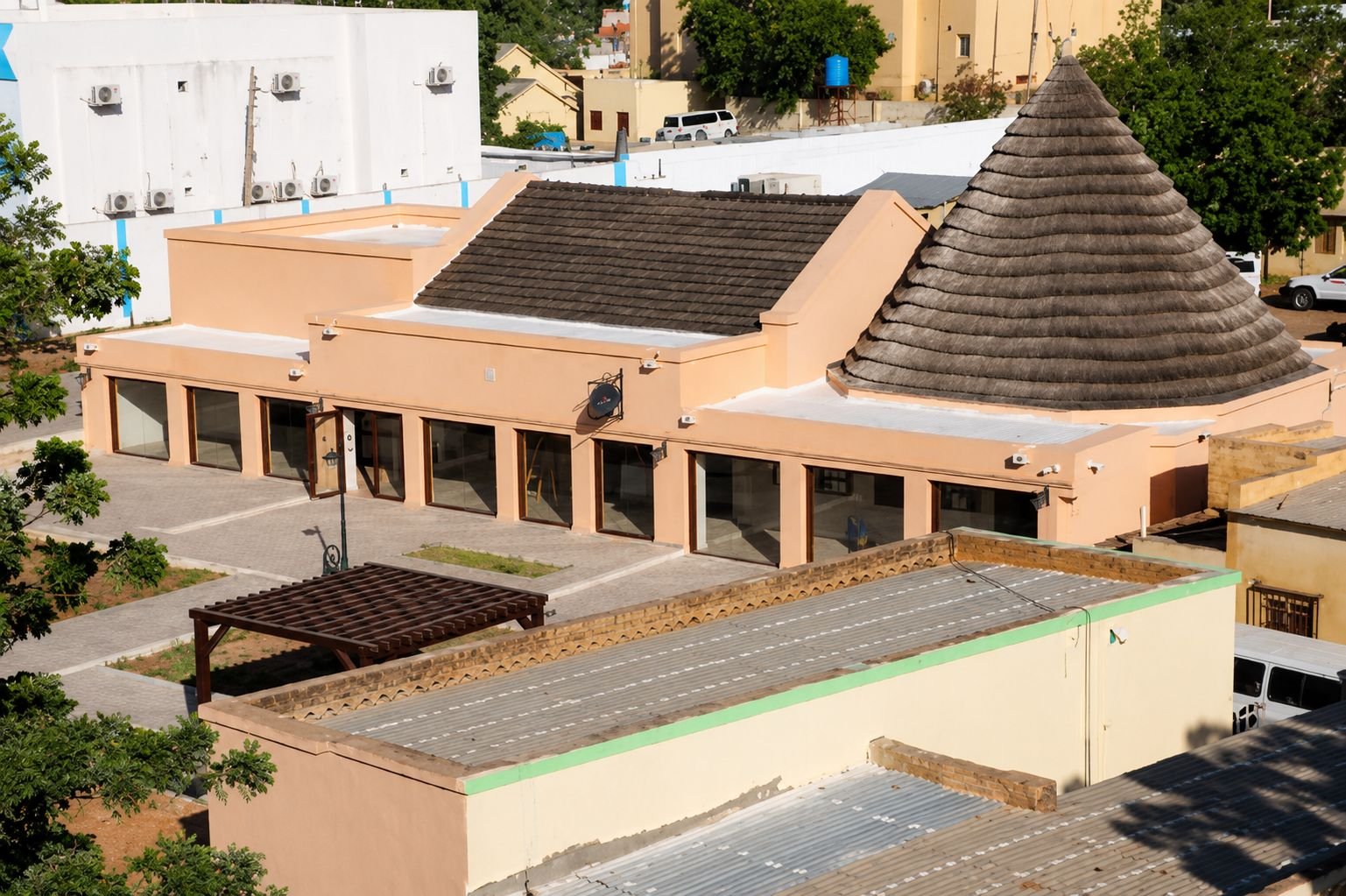
Sultan Ali Dinar Palace
The Sultan Ali Dinar Palace is one of the most significant historical landmarks associated with the Darfur Sultanate. As a symbol of leadership and continuity, it preserves an important chapter of Sudan’s national heritage while reflecting the history, governance and cultural identity of the Sultanate.
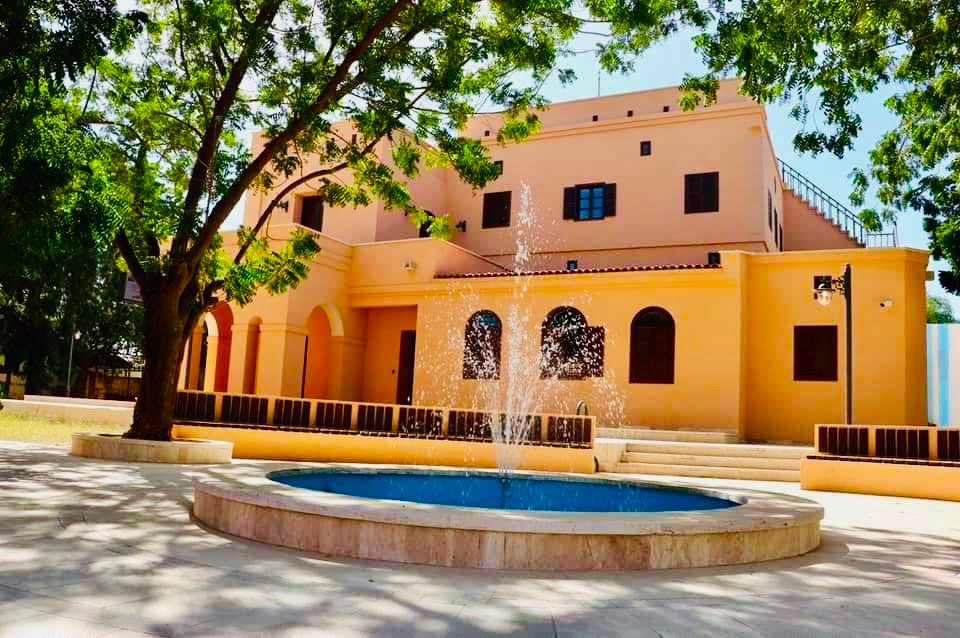
Sultan Ali Dinar Islamic Complex
The Sultan Ali Dinar Islamic Complex promotes Islamic education, worship and community engagement while preserving the religious traditions of the Sultanate. It provides a place for learning, faith and public service, strengthening values that have shaped the institution throughout its history.
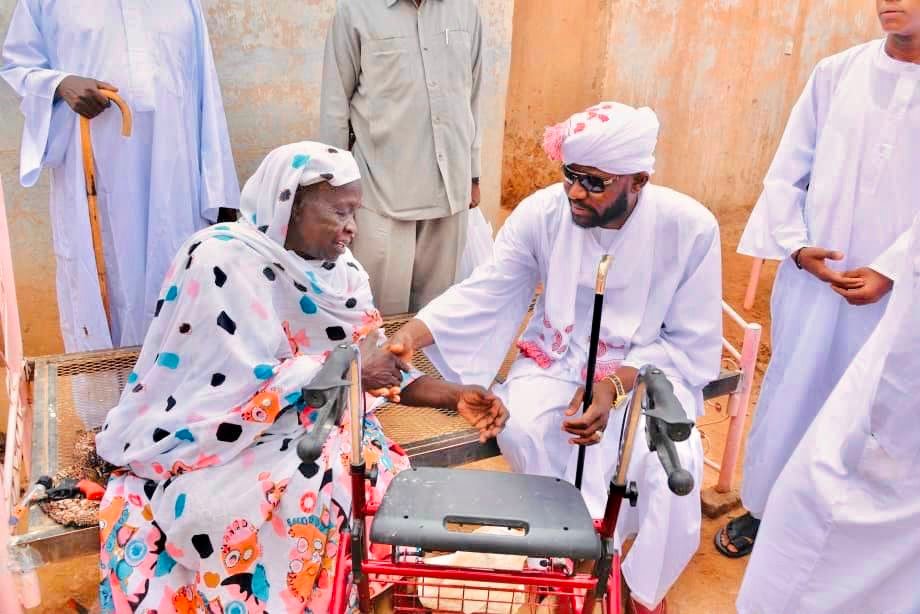
Sultan Ali Dinar Endowments
The Sultan Ali Dinar Endowments support educational, religious and charitable initiatives through sustainable endowment programmes, which strengthen community welfare and preserve the philanthropic traditions associated with the Sultanate of Darfur.